Nebenkostenabrechnung: How to Check Your German Utility Bill for Errors (2026)
5. Januar 2026· Updated April 22, 2026
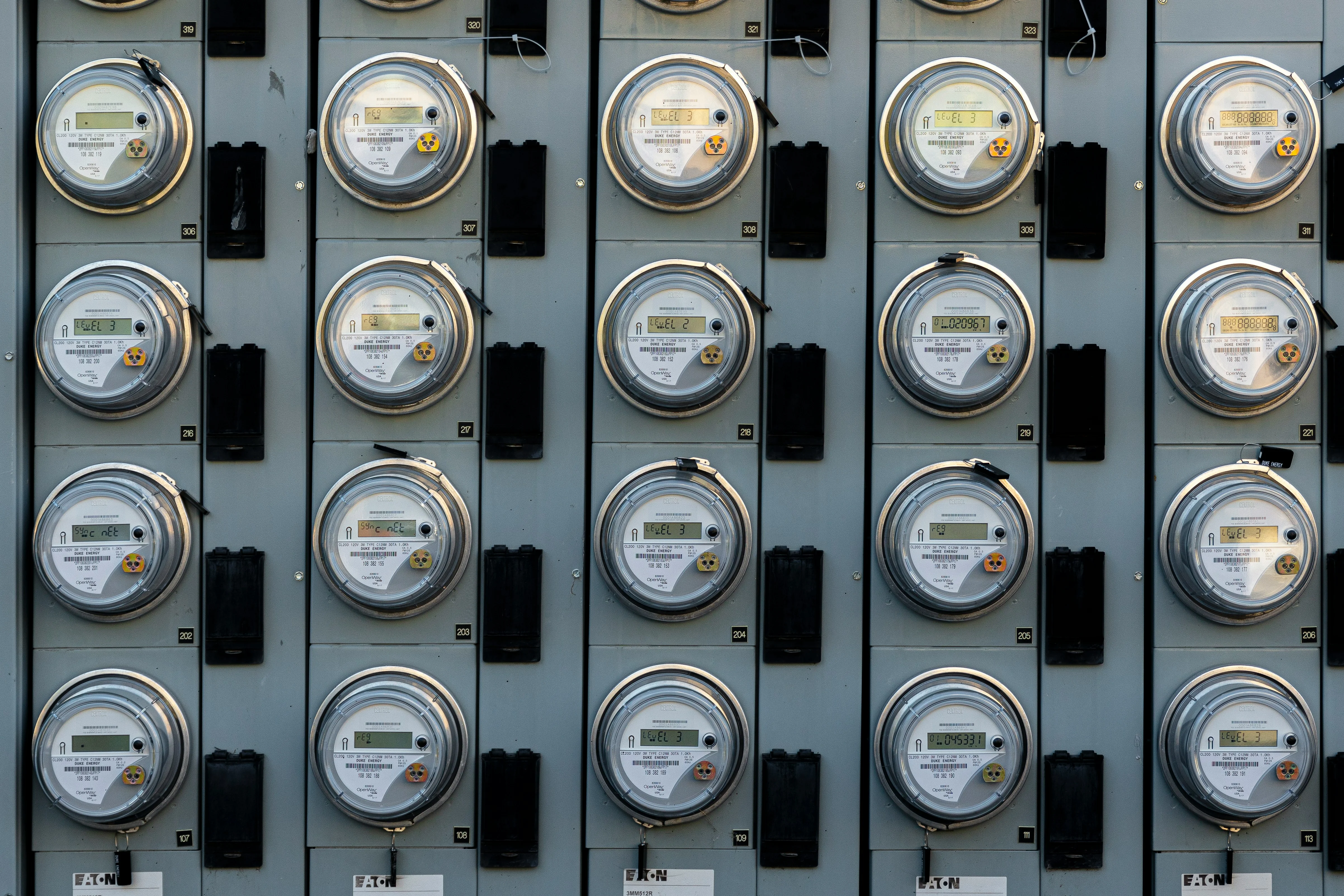
Photo by Jon Moore on Unsplash
This article is for informational purposes only and does not constitute legal advice. We take no liability for actions based on this content.
Every year, millions of tenants in Germany receive an envelope that causes confusion and sometimes frustration: the annual statement of operating costs (Nebenkostenabrechnung). It reconciles what you paid in monthly prepayments against what was actually spent on running your building. Understanding this document is essential for every renter in Germany, yet many tenants (Germans included) find it opaque.
This guide explains exactly what the statement is, what costs it covers, how to read it properly, and what to do if you think the numbers are wrong.
What operating costs are
Operating costs (Nebenkosten) are the expenses associated with running and maintaining a rental building beyond the basic rent, heating, water, garbage collection, building cleaning, and property tax. When you rent an apartment in Germany you see two rent figures: the cold rent (Kaltmiete), which is just the base rent for the apartment, and the warm rent (Warmmiete), which includes the operating costs. The gap between those two figures is your monthly prepayment towards operating costs.
These monthly payments are estimates. The landlord sets them based on previous years' spending and the size of your apartment. At the end of each billing period, usually a calendar year, the landlord totals up the actual costs and compares them to what you paid. The annual statement (Nebenkostenabrechnung) is that reconciliation, a single document that shows what the building actually cost to run and what your share of it was.
What costs are typically included
The Operating Costs Regulation (Betriebskostenverordnung, BetrKV) defines which costs a landlord can pass on to tenants. Heating is usually the biggest single line on your bill, by law, at least 50% of heating costs must be distributed according to actual consumption measured on your radiators, with the remainder split by apartment size. Water and wastewater follow, covering both fresh water and sewage processing, often split either by individual meter readings or by apartment size.
The building-wide items make up the rest. Garbage collection fees are set by the municipality. Property tax (Grundsteuer) is legally passed through to tenants proportionally, and since the property-tax reform took effect in January 2025 many tenants have seen their allocation shift significantly compared to earlier years, always compare this line with your previous statement. Building insurance against fire, water damage, and storms is distinct from your personal renter's insurance and is always carried by the landlord on the building.
Running the building itself costs money too. Common-area cleaning, garden upkeep, the mandatory chimney-sweep inspections, elevator electricity and maintenance (if your building has one), municipal street cleaning and snow removal, and the building superintendent (Hausmeister, if the building employs one) are all legitimate line items. None should come as a surprise at year-end, they also appear as recognisable figures on your monthly warm rent.
What is not included
A statement has limits. Your own electricity supply is almost always a separate contract with a provider of your choice, the only exception is a rare contract clause that explicitly bundles it in. Internet and cable TV are your own contracts too; some older tenancies still bundle a basic cable fee, but that practice is declining rapidly after Germany's 2024 telecoms reforms.
More importantly, certain costs simply cannot legally be billed to you. Repairs beyond routine maintenance are the landlord's problem, replacing a worn-out heating system is on them, while the annual maintenance check on a working system is on you. Administrative costs (the landlord's time or fees for actually preparing the statement) are not chargeable. And vacancy costs cannot be redistributed: if three of ten apartments in the building are empty, the landlord carries their share, not you.
Understanding your monthly prepayment
When you sign a rental contract, the landlord sets a monthly prepayment (Vorauszahlung) for operating costs. This appears in your contract as either part of the warm rent or as a separate line item. A reasonable estimate for an average apartment is roughly 2 to 4 euros per square meter, depending on the building's age, efficiency, and location, an 80-square-meter apartment might land between 160 and 320 euros per month.
If the prepayment seems unusually low, be cautious. Some landlords intentionally underestimate operating costs to make listings appear cheaper, then hit tenants with large additional payments later. If a listing shows a 50-square-meter apartment with only 50 euros of monthly operating costs, that is almost certainly too low and you should budget for more.
For more on how warm rent and cold rent work together, see our guide on Warmmiete vs Kaltmiete differences.
When the statement arrives
Landlords must deliver the annual statement within 12 months after the billing period ends. For a billing period covering January to December 2025, the landlord has until December 31, 2026 to send it.
If the landlord misses this deadline, they forfeit the right to collect any additional payment for that year. You can still receive a refund if you overpaid, even from a late statement, the deadline works one way only, always in the tenant's favour. If your statement for the previous year arrives on January 2, the landlord is too late and you owe nothing extra regardless of the calculations inside.
How to read the statement
The statement can run to several pages but every one follows the same basic structure. It opens with the billing period (Abrechnungszeitraum), usually a calendar year, verify this matches your tenancy, especially if you moved in or out mid-year. Next comes the total for the whole building across every cost category. This tells you what the building actually cost to run.
Your own share is then calculated from those totals using the distribution key: heating by consumption plus floor space, water by consumption or number of residents, and most other costs by apartment size. The sum of those shares becomes your total for the year, which is then offset against the monthly prepayments you already paid. The gap at the bottom is either an additional payment (Nachzahlung) you owe or a refund (Guthaben) the landlord owes you.
Additional payment vs. refund
An additional payment (Nachzahlung) means you owe money beyond what you already paid. It happens when actual costs exceeded your monthly prepayments, and you typically have 30 days to pay after receiving the statement, though reasonable landlords may allow more time for large amounts. A refund (Guthaben) means you overpaid, the landlord should either transfer it to you or credit it against future rent.
If your additional payment is substantial, the landlord can also increase your monthly prepayment for the following year to prevent a similar shortfall. That increase should be reasonable and based directly on the actual cost development, not an arbitrary jump.
Checking the statement for errors
According to the Deutscher Mieterbund (German Tenants' Association), more than half of all statements contain errors, almost always in the landlord's favour. Going through the statement carefully is one of the highest-return things you can do as a tenant.
Start by verifying the billing period matches your actual tenancy. If you moved in on June 1, you should only carry costs from June through December, not the full year. Then check the cost categories themselves: administrative fees, repairs beyond routine maintenance, and anything that looks like landlord profit or vacancy redistribution should not appear. Next, sanity-check the distribution key, if costs are allocated by apartment size, your square metres should match what is in your rental contract; if they are allocated by consumption, your meter readings should line up with the values on the statement.
Year-on-year comparison is the fastest way to catch quiet increases. Significant jumps in specific categories deserve an explanation, and a doubled heating cost after a mild winter is a clear signal to ask questions. If anything looks off, you have the legal right to request the underlying invoices and supplier contracts, tenants rarely exercise this right, which is exactly why errors persist. Finally, add the numbers up yourself. Calculation errors happen more often than you would expect, and a simple recalculation can save you hundreds of euros.
How to dispute errors
If you find errors or have questions, act within 12 months of receiving the statement. After that window closes, you lose the right to dispute, so diarise the date the statement arrived and treat the deadline as hard.
Start by writing to your landlord with specific objections. Identify exactly which line items you are questioning and why, and request copies of the relevant invoices if you have not already reviewed them. For complex disputes or if the landlord is unresponsive, a tenant association (Mieterverein) can help: for a modest membership fee they review your statement and communicate with your landlord on your behalf, which often resolves things quickly once the landlord realises the tenant is informed and persistent.
If the landlord refuses to correct clear errors, you can reduce your additional payment by the disputed amount while the matter is resolved. Document everything in writing so you have evidence if the dispute escalates.
For landlords: creating the statement
If you are a landlord, creating an accurate annual statement is a legal obligation. It must be transparent, mathematically correct, and delivered on time. Keep organised records throughout the year, save every invoice related to operating costs, whether from utility companies, service providers, the municipality, or your insurer.
Use a clear format that tenants can follow. List each cost category separately, show the total building cost, explain the distribution method, calculate each tenant's share, and compare against prepayments. Consider property management software to automate calculations and enforce consistency, our guide on property management software for landlords covers options that include operating-cost reconciliation features.
Deliver the statement well before the 12-month deadline. Mailing it on the last possible day risks missing the deadline due to postal delays, and one delayed envelope costs you the right to collect any additional payment for the entire year.
Understanding cost distribution methods
German law prescribes different distribution methods for different cost types. Heating and hot water must always be split partly by actual consumption (at least 50%, up to 70%) and partly by apartment size, the rule is designed to reward energy-efficient behaviour while acknowledging that some heating costs are simply fixed per flat. Cold water can be allocated by consumption if individual meters are installed, or failing that by number of residents or apartment size.
Everything else (garbage, cleaning, insurance, superintendent, garden) is usually distributed by apartment size in square metres or by number of units, with the specific method written into your rental contract. The applied distribution key appears on your statement as a fraction or percentage showing your flat's share of the building total, and it is one of the first lines to check when something looks off.
What your rental contract says about operating costs
Your rental contract (Mietvertrag) defines which operating costs you are responsible for. Look for a section listing operating costs or referencing the Betriebskostenverordnung. If a cost type is not mentioned in your contract, the landlord cannot charge you for it later.
The contract should also specify whether you pay a flat rate (Pauschale) or a prepayment with annual reconciliation. A flat-rate arrangement means you pay a fixed amount regardless of actual costs, the landlord takes the risk if costs are higher than expected but also keeps any surplus if costs are lower, and there is no annual statement because the amount is fixed. A prepayment is the more common setup: you pay estimated monthly amounts and receive an annual statement to settle the difference.
Connection to your rights as a tenant
Understanding Nebenkosten is part of knowing your tenant rights in Germany. You have the right to transparent billing, the right to review supporting documents, and the right to dispute errors.
The Kaution (security deposit) is separate from Nebenkosten. Your deposit cannot be used by the landlord to cover ongoing operating costs. It is reserved for damages and unpaid rent at the end of your tenancy.
Summary
The Nebenkostenabrechnung reconciles your monthly utility prepayments against actual operating costs once per year. You may owe a Nachzahlung if costs exceeded prepayments, or receive a Guthaben if you overpaid.
Check your statement carefully for errors. Verify that only legal costs are included, the billing period matches your tenancy, and the distribution calculations are correct. You have 12 months to dispute errors after receiving the statement.
Understanding your Nebenkosten helps you budget accurately and ensures you pay only what you legally owe.
Frequently Asked Questions
What is a Nebenkostenabrechnung?▾
The Nebenkostenabrechnung is the annual utility and operating-cost statement that landlords in Germany must provide to tenants. It reconciles the monthly operating-cost prepayments (Nebenkostenvorauszahlungen) you paid during the year with the actual costs, you either owe extra (Nachzahlung) or get a refund (Guthaben).
What costs can landlords include in the operating costs (Nebenkosten)?▾
Only the 17 categories listed in §2 of the Operating Costs Ordinance (BetrKV, Betriebskostenverordnung): property tax, water, sewage, heating, hot water, elevator, garbage, building cleaning, gardening, lighting, chimney sweep, building insurance, caretaker (Hausmeister), antenna or cable TV, laundry room, and 'other' operating costs, which must be explicitly listed in the contract.
When does a landlord have to send the annual utility statement?▾
Within 12 months after the billing period ends. If the period ended Dec 31, 2025, you must receive the statement by Dec 31, 2026. If the landlord misses this deadline, they lose the right to charge you an additional payment (Nachzahlung).
How long do I have to dispute the utility statement?▾
12 months from receiving the statement. You have the right to inspect the original invoices and meter readings at the landlord's office. Common errors to check: wrong distribution key (Umlageschlüssel), non-deductible costs included, incorrect meter readings, or administrative costs charged to tenants.
Do I have to pay the additional amount (Nachzahlung) immediately?▾
Usually within 30 days, but you can dispute it first. If the amount is significant or suspicious, file a formal objection (Widerspruch) in writing within 12 months of receiving the statement, and request to review the original invoices before paying.
Try Domily
Fair renting in Germany. No subscriptions, no auto-renewal, no Inkasso.